The most ancient roots
The area of Santa Maria del Molise has its origins in very ancient times. The records point to a Samnite presence and, later, an important Lombard period, when the area of Sant'Angelo in Grotte was rebuilt and fortified.
For a long time, Sant'Angelo in Grotte was the main centre of the area. Perched on the mountain, it held the historic and spiritual heart of the community, deeply tied to the devotion to Saint Michael the Archangel.
Sant'Angelo in Grotte, the original core
Over the centuries, Sant'Angelo in Grotte was a point of reference for social, religious and territorial life. The village still has a strong sense of identity today: stone alleys, scenic views, old houses and sacred places tell its long history.
Among its most significant sites are the Grotto of Saint Michael the Archangel and the church of San Pietro in Vincoli, with its crypt and 14th-century frescoes dedicated to the Seven Works of Mercy.
The 1805 earthquake and the move to the valley
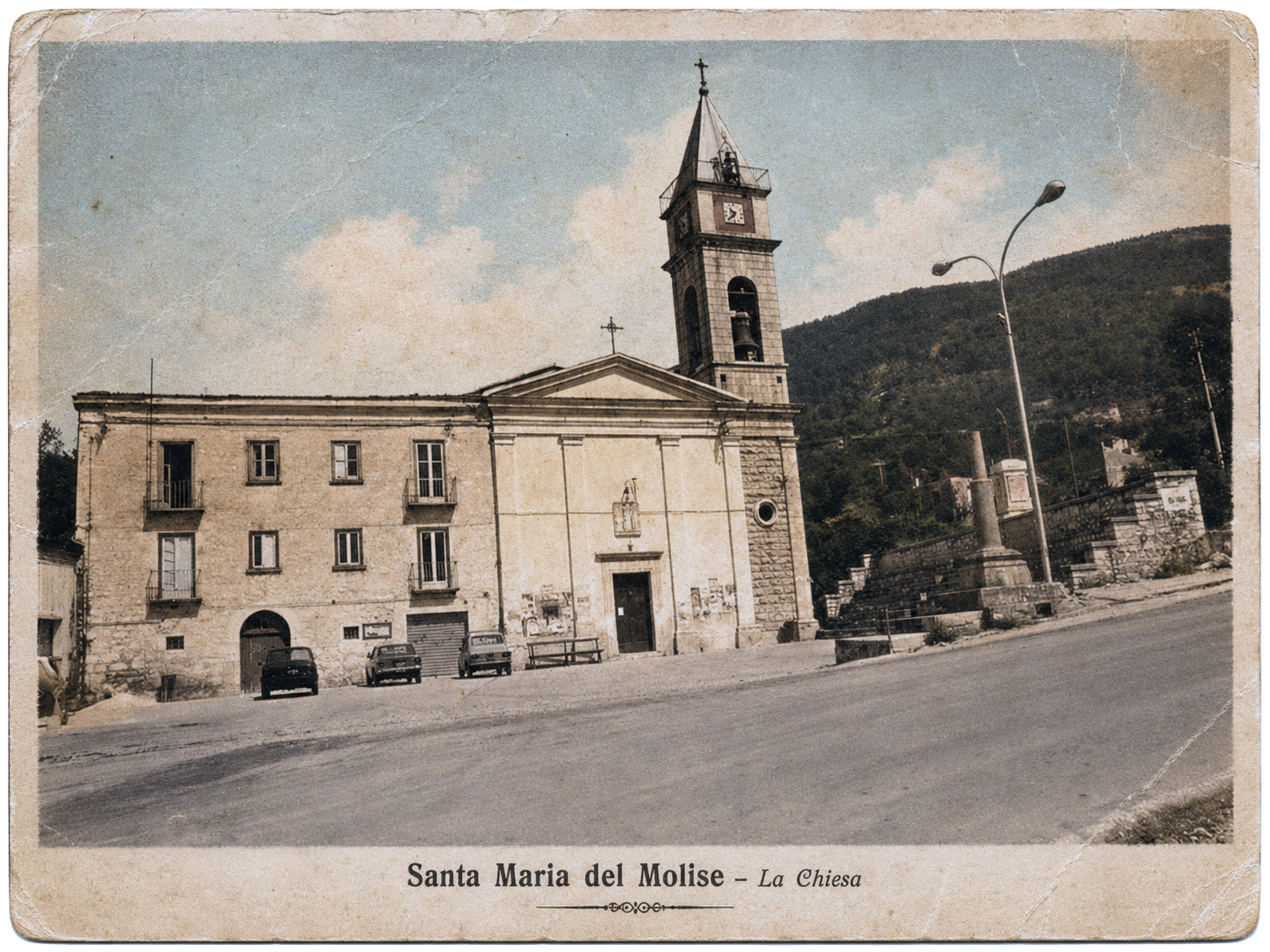
The 1805 earthquake marked a turning point. After this event, the core of Sant'Angelo was gradually abandoned by part of the population, and the settlement further down the valley — today's Santa Maria del Molise — grew more strongly.
This shift did not erase the bond with the old village, but shaped a new layout of the area: mountain and valley continued to coexist as two parts of the same identity.
Santa Maria del Molise and its bond with water
Down in the valley, Santa Maria del Molise is defined by the presence of water. The Rio stream runs through the area, feeding canals, small waterfalls and old watermills. This abundance of water has shaped daily life, the landscape and the collective memory of the town.
The Parco dei Mulini is today one of the clearest symbols of this bond: a place where nature and history meet, telling of the old farming culture and the village's relationship with its natural resources.